The canton of Ducey, from the Sélune to the bay
The eleven villages of the former canton, between hedgerows and marshes of the bay: their stones, their history.
11
villages of the former canton
Why the canton?
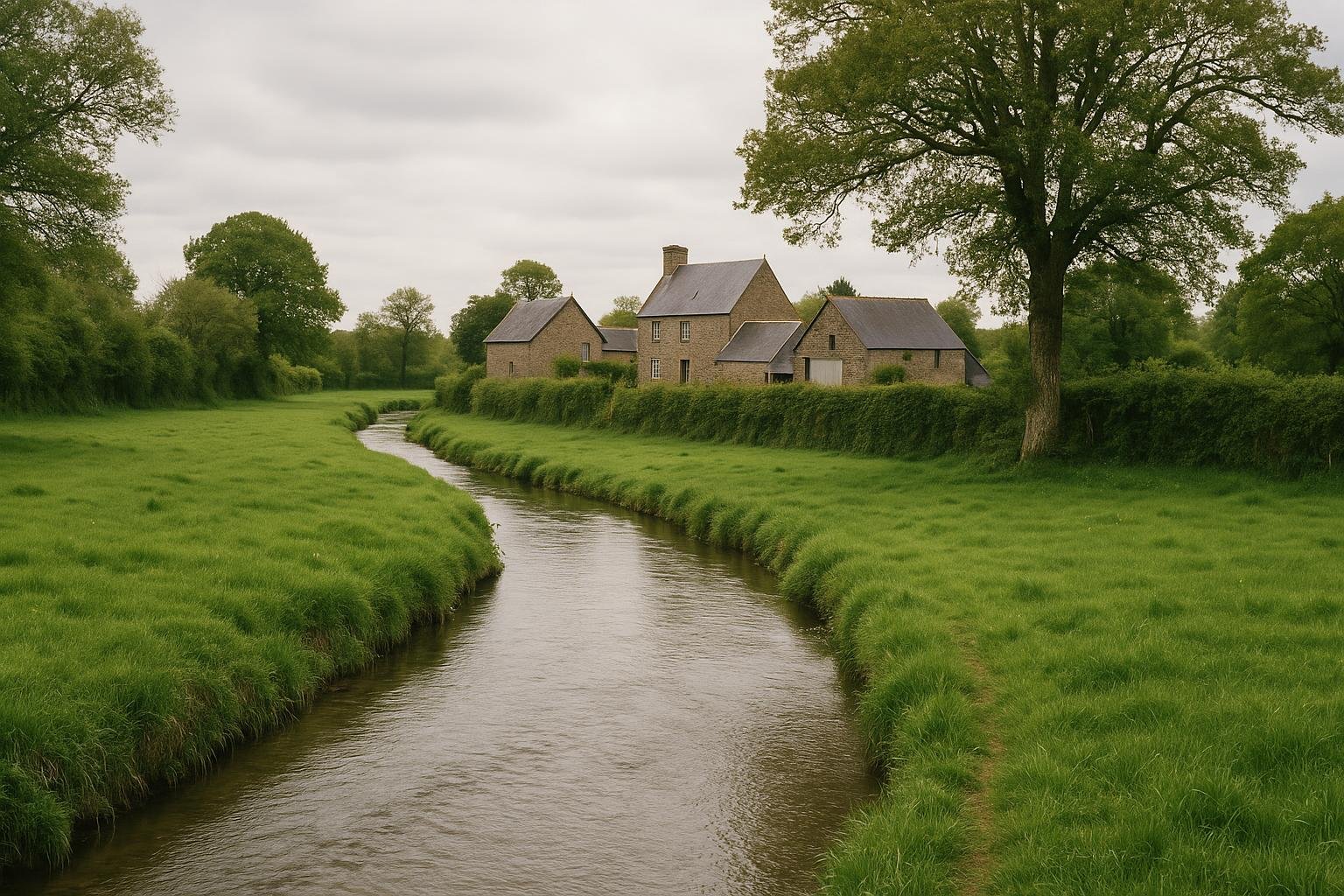
At the bottom of the bay of Mont-Saint-Michel, in the Avranchin: a country of hedges and pastures sloping down to the sea.
A canton between land and sea
The editorial team
Around Ducey, eleven villages, from Juilley to Courtils, share the bocage, its hedges and the marshes at the bottom of the bay. The Sélune crosses several before reaching the bay of Mont-Saint-Michel.
From Ducey to Poilley, the canton keeps the Montgommery castle, Montmorel Abbey, churches rich in statues and the memory of the Nu-pieds revolt.
The former canton of Ducey, village by village
An abbey, a castle, a manor
From the abbey to the castle, three places that shaped the canton.
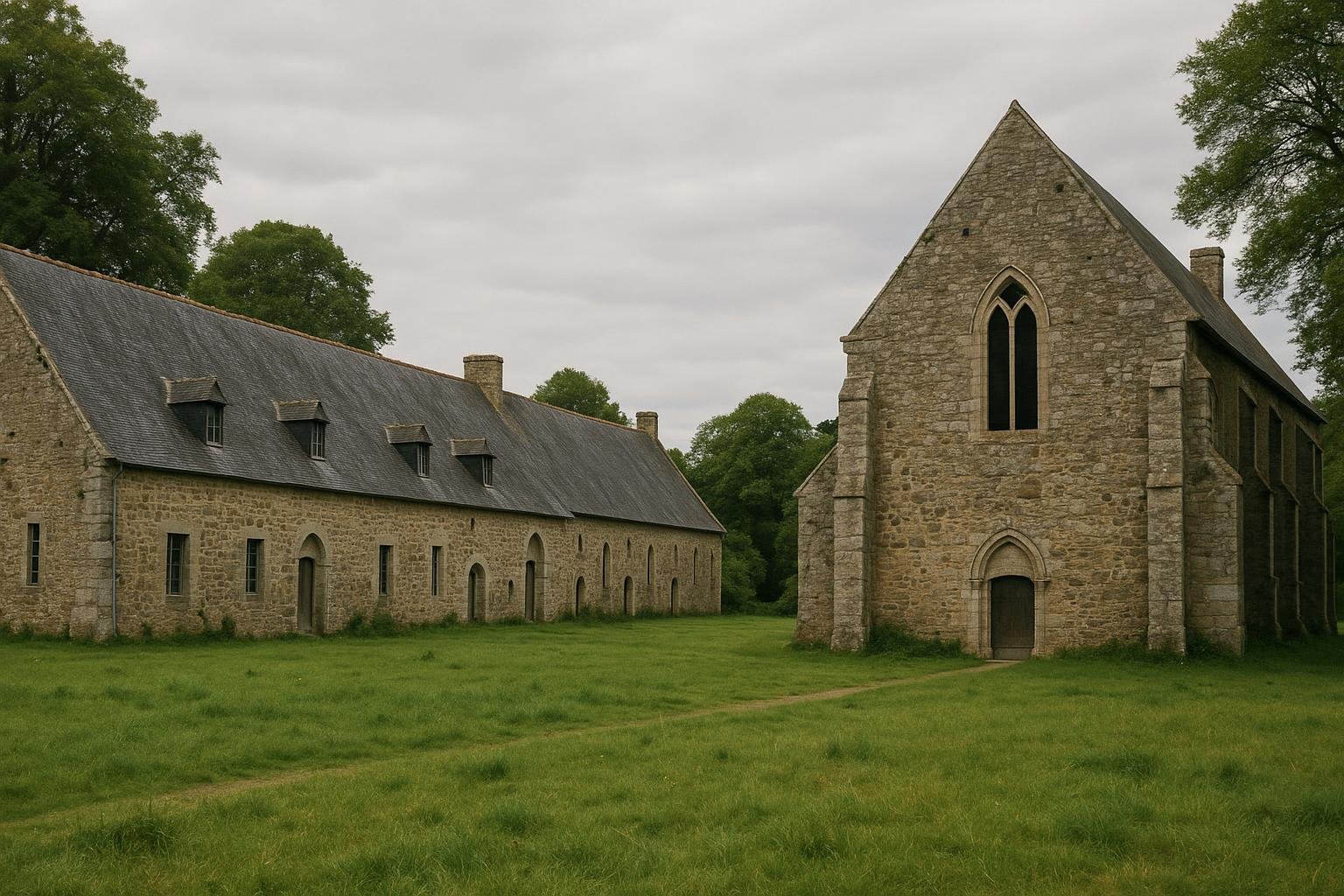
Montmorel, the Abbey of Poilley
Founded in 1160, confirmed by Henry II in 1162, and then protected by Richard the Lionheart in 1195, this former Augustinian abbey is partially classified.
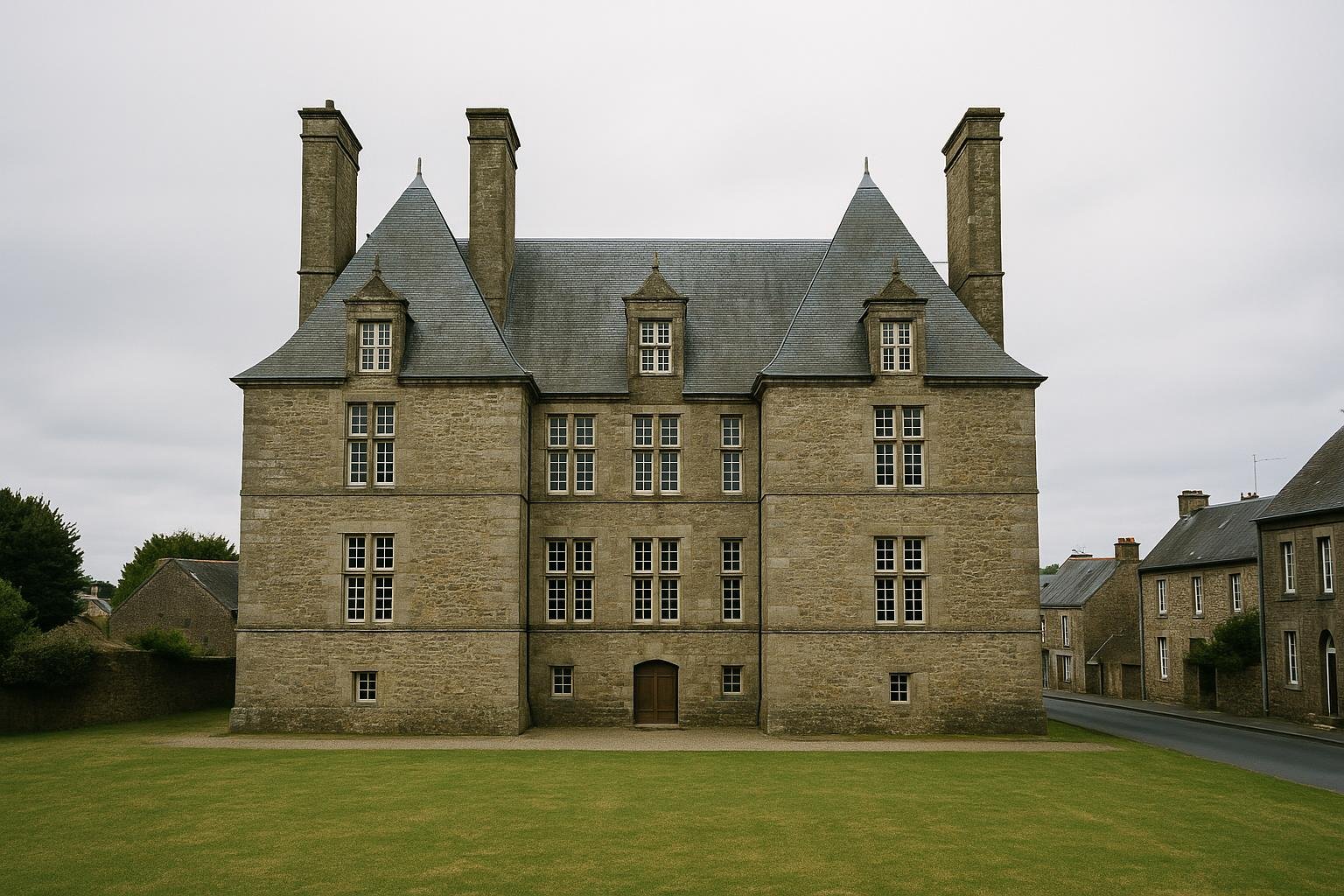
The Castle of Montgommery, Ducey
Started around 1600 in Ducey, classified in 1923, it retains a monumental staircase and a Renaissance ceiling.
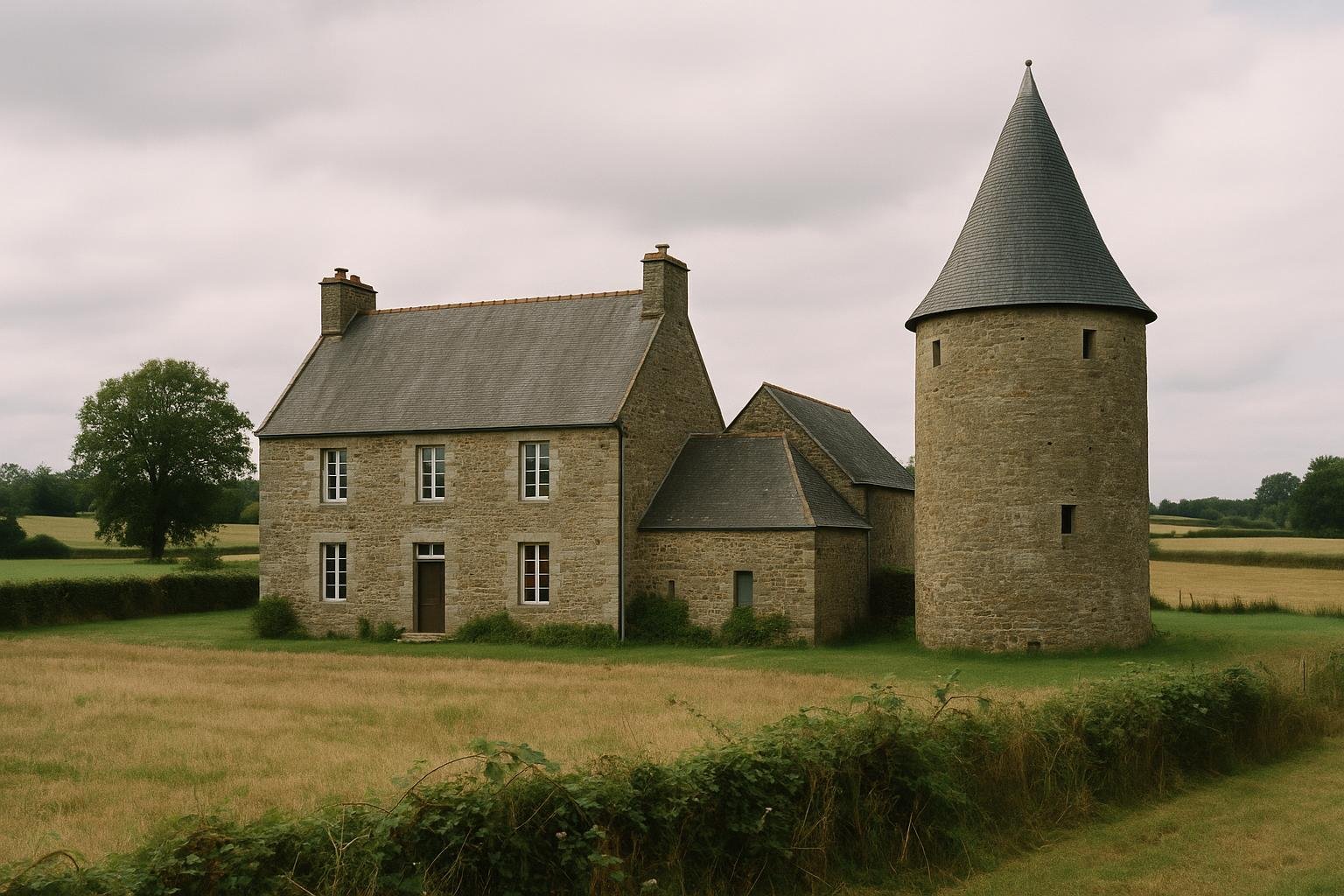
The Manor of la Cour
In Marcilly, this 16th-century manor retains a round tower from the 13th-14th centuries.
Five details that tell the story of the canton
From a church to a wood, from a place name to an old revolt, these five details each have their story, from Juilley to Saint-Quentin-sur-le-Homme.
Stone
Saint Martin on the wall of Juilley
On the south wall of the nave, a bas-relief from the first half of the 16th century shows the charity of Saint Martin. It has been classified since 1905; the church also retains a funerary slab from the 14th century.
Where to look? In Juilley, on the south exterior wall of Saint Martin’s church.
Stained glass
The heraldic stained glass of Précey
In the church of Saint-Berthevin, seven stained-glass windows installed around 1891 by Duhamel-Marette, a glazier from Évreux, bear the coats of arms of Popes Pius IX and Leo XIII and of the abbey of Mont-Saint-Michel. They have been listed as historic monuments since 1987.
Where to look? In Précey, in the church of Saint-Berthevin.
Forest
The Ardennes Wood, in Ducey
To the south of Ducey, along the Sélune, its approximately 80 hectares are considered the last remnant of the Scissy forest.
Where to search? South of the village of Ducey, on the banks of the Sélune.
Water
A name from the river
“Sur-le-Homme” recalls the lords of Homme in the 15th century. Their name came from the Norse word holm, meaning a piece of land surrounded by fresh water.
Where to search? In Saint-Quentin-sur-le-Homme, by the Sélune.
History
The Nu-pieds revolt of 1639
In 1639, the Nu-pieds revolt broke out in Avranches and shook the entire Avranchin region. On 30 November, the insurgents were crushed beneath the town’s ramparts by Gassion’s troops.
Where to remember? In Avranches, where the revolt began and ended, and throughout the Avranchin.
And in your village?
A wayside cross, a carved lintel, a fountain: from Céaux to Poilley, each village has others. Do you know the story of one of them? Tell it to the editors.
Latest news
The latest articles published about the canton of Ducey.
-
Best Cashback Credit Cards in Italy: How They Work and Which One to Choose
A cashback credit card returns a percentage of the amount spent to the cardholder, either as a direct refund to their account or as a credit to the card itself. In Italy, following the end of the public Cashback di Stato program on December 31, 2021, all cashback offers on purchases are private initiatives run by banks, card issuers or…
-
Online Fundraising: How to Choose the Right Platform and Understand Cotizup’s Fees
We’re organizing a farewell collection at the office, we share a link, and three days later we discover that the platform has taken an unexpected cut of the amount raised. This happens often because most organizers compare online group-fundraising platforms based on how easy they are to use, without ever calculating the cost…
-
How to Optimize Navigation on a Real Estate Hunter’s Website Using the Sitemap
A visitor arrives on a property hunter’s website to find a specific service: apartment search in Lyon, exclusive mandate, fees. If the page they are looking for is buried three clicks deep without a logical path, they will leave the site. The sitemap, whether intended for search engines or visitors, resolves this…
-
How many Chanel fashion shows are held each year and why?
When closely following the fashion calendar, one notices that Chanel does not limit itself to the two annual fashion weeks. The house multiplies appointments, each serving a specific purpose, whether commercial, heritage, or artisanal. Understanding the number of Chanel shows per year is primarily about grasping the purpose of each format…
-
How to Succeed in Your Real Estate Projects with Tailored Financing Solutions
Buying real estate relies on a financial arrangement where each parameter (duration, rate, contribution, mobilized aids) alters the total project cost by several thousand euros. Comparing the available real estate financing solutions in 2026 allows for measuring the actual differences between a traditional loan, a subsidized loan, and a mixed arrangement, and making decisions…
-
Texts for My Son: Touching Ideas for Letters and Inspirational Messages
Writing to your son, whether on a card slipped into a bag or in a long message sent from afar, involves an act of communication whose effects go beyond the simple affectionate gesture. Letters and messages addressed to a child or teenager serve a specific purpose: to put words…






Did you know?
Three stories from Céaux, Courtils and Crollon.
Céaux Manche
In the apse of the church of Saint-Cyr-et-Sainte-Julitte, a 16th-century stained-glass window shows the Last Judgement and the Resurrection. It has been listed as a historic monument since 1908.
Courtils Manche
Born in Courtils in 1852, Pierre Foursin headed the Parisian company that in 1893 founded the village of Montmartre in Canada, in present-day Saskatchewan.
Crollon Manche
Crollon lay on the Roman road linking Legedia, which some identify with Avranches, to Condate, present-day Rennes.