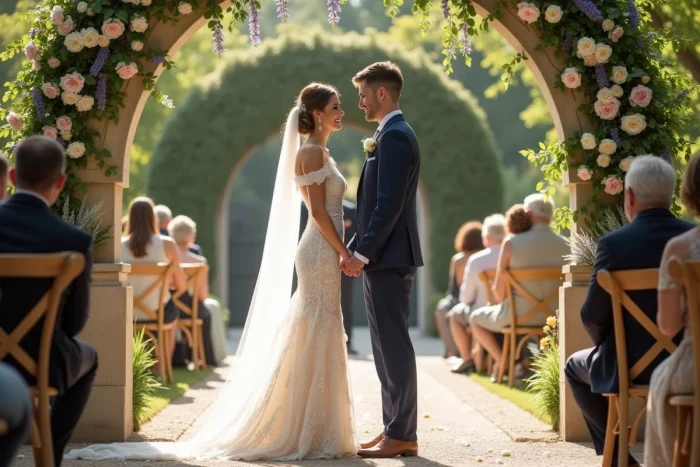
The latest trends and inspirations for organizing an unforgettable wedding
A wedding is primarily defined by a series of logistical choices linked together within a constrained timeline, usually between eight and eighteen months before the set date. The trends currently reshaping wedding organization are less about superficial decoration and more about the very structure of the event: the chosen day, the contractual clauses with vendors, or the format of the meal.
Weekday Weddings: A Budget Trend Changing Logistics
Among recent developments, the weekday wedding (Thursday or Friday) is gaining traction. Several reception venue networks, including Châteauform’ and La Maison Options, report a significant increase in weekday requests to the point of offering dedicated packages.
The mechanism is simple: budget pressures push couples to negotiate differently. A venue charged less on Friday frees up a budget that can be reallocated to catering, photography, or entertainment. This trend requires a rethink of overall organization, as guests must take a day off. In practice, couples choosing this option shorten the guest list to retain only those close friends and family who can make themselves available.
For those planning their ceremony and looking for concrete inspiration on formats, venues, or vendors, exploring the Instant Mariage website allows for comparing current approaches and experiences shared by other couples.
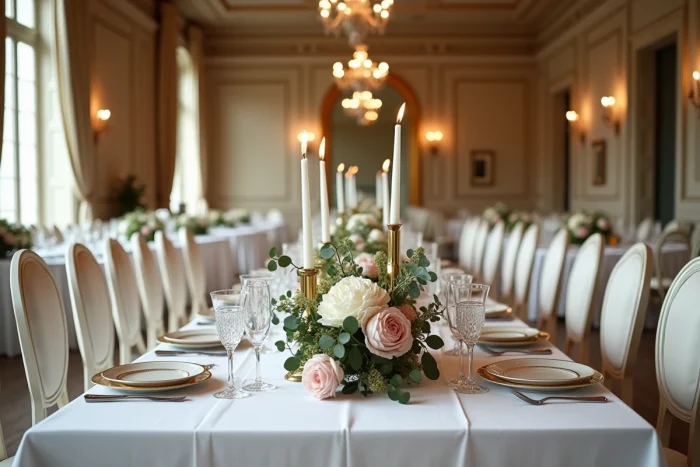
Weather Clause and Event Insurance: Protecting an Outdoor Wedding
Content on wedding trends rarely addresses contractual aspects. However, “extreme weather plan B clauses” are becoming standard in reception venue contracts. Due to the increase in severe weather events (heatwaves, storms), French wedding planners and insurers have noted a marked rise in subscriptions for cancellation or weather disruption insurance.
Specifically, these clauses provide fallback solutions: tents, indoor rooms, flexible timings. Before signing with a venue, checking for these provisions helps avoid being left without alternatives on the day of the ceremony.
Points to Verify in a Reception Venue Contract
- The mention of a backup covered space accessible at no extra cost in case of bad weather, with a capacity equivalent to the planned outdoor space
- The conditions for activating the plan B (temperature threshold, official weather alert, unilateral or concerted decision)
- The existence or absence of a refundable partial cancellation clause related to a declared weather event
Event insurance, once reserved for very high-end weddings, is becoming more accessible. France Assureurs notes the rise of insurance for private events, with new practices emerging since the health crisis and reinforced by recent weather events.
Reception Format: Rethinking the Meal and Guest Experience
The meal remains the heaviest budget item and the most structuring aspect of the atmosphere. Two alternative formats to the classic seated dinner are gaining popularity.
Extended Wine Reception with Culinary Stations
Rather than a quick cocktail followed by a formal meal, some couples eliminate the boundary between the two. Interactive culinary stations replace the linear buffet: a carving station, an oyster bar, a live cooking station. Guests mingle and move around, and the evening’s rhythm is not interrupted by the transition to the dining table.
Next-Day Brunch as an Extension of the Event
The post-wedding brunch is no longer an optional bonus: it has become an anticipated moment, sometimes as carefully curated as the dinner. The idea is based on a practical observation. Guests who often travel appreciate a relaxed setting the following morning to extend the experience, share memories from the previous day, and enjoy the newlyweds in a less formal context.
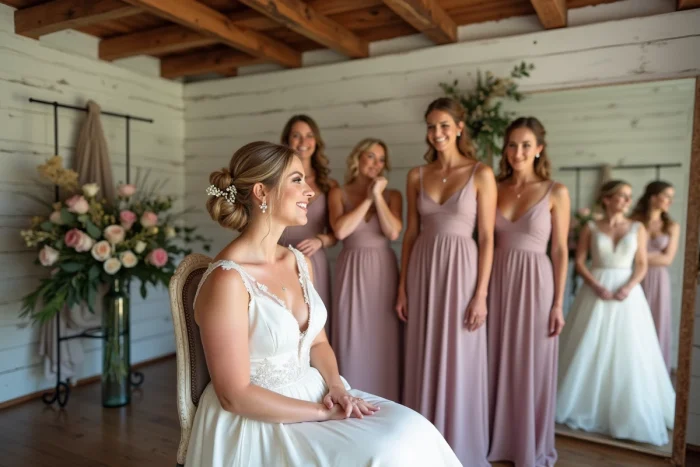
Wedding Decoration: Color Palette and Sustainable Choices
In terms of decoration, bold and contrasting shades are replacing classic pastels. Couples are embracing more assertive palettes: deep terracotta paired with olive green, navy blue against matte gold, burgundy on a backdrop of raw linen. The result is more graphic, more photogenic, and asserts a coherent visual identity from stationery to table settings.
The choice of materials follows a sustainability logic that goes beyond aesthetics. Dried flowers, reusable containers, or rented decorative elements rather than purchased ones reflect a concrete concern for reducing post-event waste. This is not a marketing argument: renting decorations reduces budget and storage after the big day.
Wedding Personalization: What Makes a Concrete Difference
The most effective personalization does not revolve around a superficial decorative theme. It touches on the micro-decisions that shape the experience for each guest.
- The seating plan designed by real affinities rather than family obligation, even if it means breaking placement conventions
- A secular ceremony booklet written by the couple, with texts chosen for their personal meaning rather than their popularity on social media
- Useful or consumable guest gifts (a local product, an artisanal preserve) rather than a decorative item destined to be forgotten
These choices require thoughtful consideration but incur no significant extra cost. They transform a standardized event into a memorable ceremony because each detail has been decided based on the people present, not a vendor’s catalog.
Planning a wedding remains a project constrained by budget, timeline, and weather. Couples who create the most memorable events are those who focus their energy on structural decisions (day, contract, meal format) rather than decorative finishes. The rest will follow.